Monday, March 27, 2023

Can memory prostheses boost memory?


Brain electrodes can help understand the electrical activity patterns when memories are encoded and then use those same electrodes to fire similar activity patterns in the hippocampus—a seahorse-shaped region deep in the brain that plays a crucial role in memory. Memory prosthesis is an electrode inserted deep into the brain to help people with memory disorders—and it is most effective in people with poor memory. 

In a healthy hippocampus, electrical activity flows from one layer to another before spreading to other brain regions. A decoding memory model (MDM) mimics patterns of electrical activity across the hippocampus that occur naturally when we successfully form memories. The MDM model takes an average of these patterns across each individual and then fires off this pattern of electrical stimulation. A multi-input, multi-output model more closely mimics how the hippocampus works by learning the electrical inputs and outputs corresponding to memory encoding and then mimicking them.

The memory prosthesis improved the volunteers' performances significantly on memory tests—if they had received the correct pattern of stimulation when first presented with the images. The prosthesis improved brain memory encoding by 11% to 54%. The most significant improvements occur in people with the worst memory performance at the start of the experiment. 

The electrodes used in the study are around a millimeter wide, and all the volunteers had them implanted deep enough into the brain to reach the hippocampus—around 10 centimeters deep. The hippocampus patterns associated with successfully stored memories are unique and different for each person. Therefore, customizing stimulation to individual brains by mirroring the hippocampus working will likely require brain electrodes with hundreds of contact points, allowing them to record from and stimulate hundreds or thousands of neurons. 

Although the prosthesis is still in some way from clinical use, more advanced versions could help people with memory loss due to brain injuries or aging or degenerative diseases like Alzheimer's.

Read the whole article on the memory prosthesis.c


The Science of Consciousness Post, your news about the mind
The Science of Consciousness, please join the discussion
Website: evadeli


Copyright © 2023 by Eva Deli

Wednesday, March 15, 2023

Can new seawater processing provide green hydrogen?


Hydrogen has high energy density and burns cleanly into water, which makes it a promising renewable resource. A new study published in the journal Science uses seawater electrolysis to produce sustainable hydrogen. Electrolysis involves passing an electric current through water, splitting water molecules into hydrogen and oxygen. However, the process requires a lot of energy, making it expensive for large-scale production. In addition, seawater electrolysis can produce dangerous chlorine gas. Nevertheless, the study suggests that renewable energy sources, such as wind and solar power, could provide power for an economic electrolysis process.

Seawater is an ideal source for hydrogen production because it is abundant and contains dissolved salt, which can improve the efficiency of the electrolysis process. Seawater electrolysis could produce up to 1,000 times more hydrogen than freshwater electrolysis, making it a desirable option for green hydrogen production. As a result, green hydrogen could provide an endless source of clean energy. In addition, hydrogen fuel cells can store renewable energy, such as wind and solar power, for use when these sources are unavailable.

Nevertheless, with improvements in the efficiency and cost-effectiveness of electrolysis, seawater electrolysis can be a sustainable green hydrogen source. While there are still some challenges to overcome, the potential benefits of green hydrogen are significant for a cleaner, more sustainable world for future generations.


The Science of Consciousness Post, your news about the mind
The Science of Consciousness, please join the discussion
Website: evadeli


Copyright © 2023 by Eva Deli

Tuesday, January 3, 2023

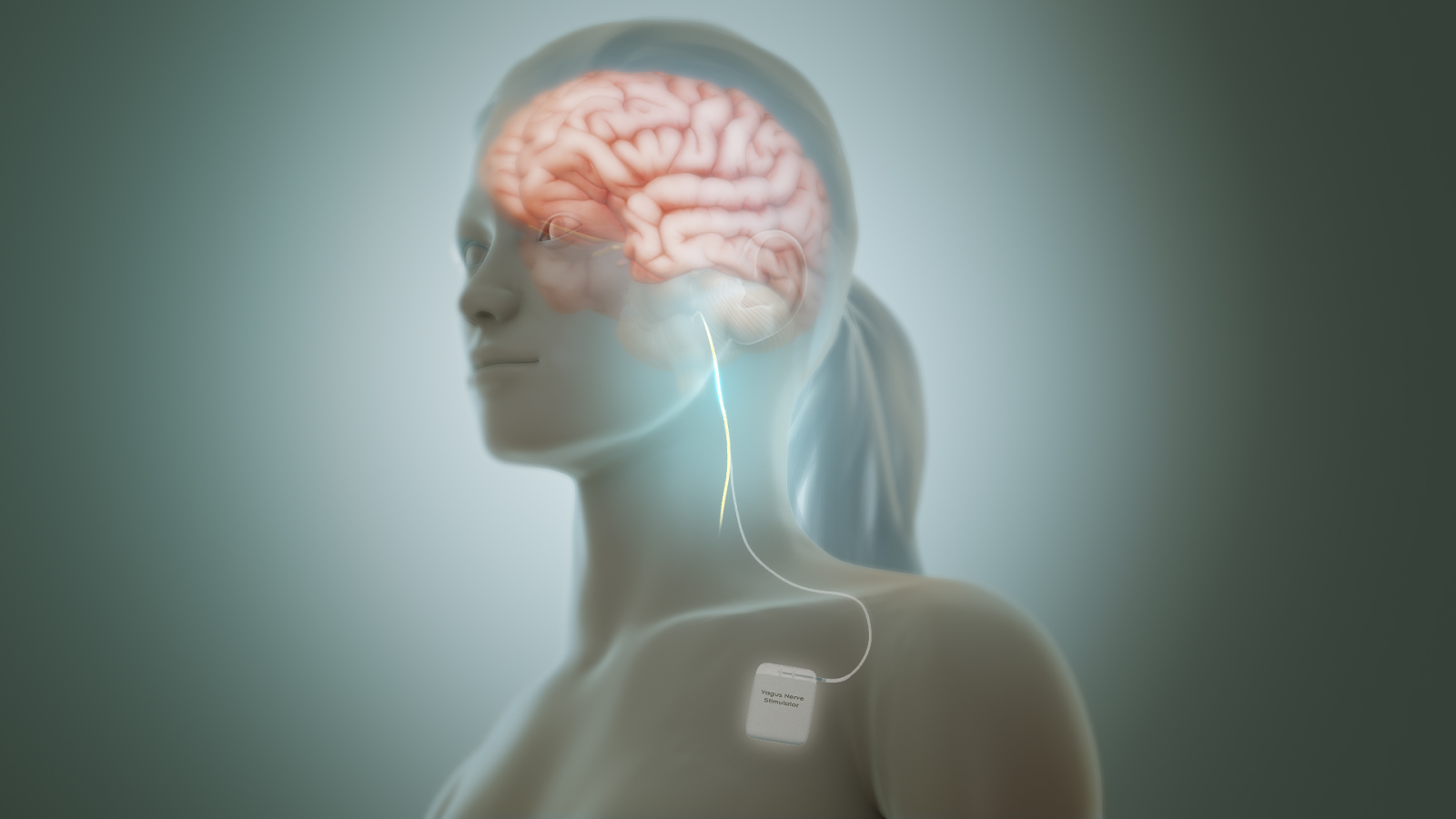
Potential for Vagus Nerve Stimulation in Medical Treatments


The vagus nerve is the longest and most complex of the 12 cranial nerves. It transmits information to or from the brain's surface to tissues and organs elsewhere in the body. It is responsible for regulating internal organ functions, such as digestion, heart rate, and respiratory rate, as well as vasomotor activity and reflex actions, such as coughing, sneezing, swallowing, and vomiting.

An abnormal vagal tone with minimal heart rate variability has been associated with conditions such as diabetes, heart failure, and high blood pressure. Conversely, the ideal vagal manner may represent a high variability between heartbeats.

In the early 2000s, researchers started to show that vagus nerve stimulation could help some patients who were severely depressed and had not responded to other treatments. By 2005, the Food and Drug Administration had approved implantable pulse-generating devices that sent electrical signals to the vagus nerve for use in patients with treatment-resistant depression. 

Similar devices have also been supported for obesity — to help control feelings of hunger and fullness. In addition, internal vagus nerve stimulation to treat inflammation may also have applications for psychiatric disorders such as PTSD. Other conditions improved by stimulating the vagus nerve include epilepsy, diabetes, and inflammatory autoimmune conditions such as Crohn's disease or rheumatoid arthritis. 

Home remedies that improve vagus tome include holding the breath and submerging the face in cold water. The process can trigger the "diving reflex," a response that slows the heartbeat and constricts blood vessels. Some people who have tried it report that it has a calming effect and can even reduce insomnia. Others wrap an ice pack in a cloth and place it on their chest to relieve anxiety.

Image credit: Manu5, via Wikimedia Commons

Read the article: This nerve influences nearly every internal organ. Can it improve our mental state, too?


The Science of Consciousness Post, your news about the mind
The Science of Consciousness, please join the discussion
Website: evadeli


Copyright © 2022 by Eva Deli

Male and Female Stem Cells Derived from One Donor for the first time


Stem cells are undifferentiated cells that can develop into any type of tissue in the body. As a result, they have the potential to be used in a variety of medical treatments, including regenerative medicine, in which damaged or diseased tissue is replaced with healthy cells. In a groundbreaking discovery in stem cell research, scientists, for the first time, successfully derived both male and female stem cells from the same donor.

The ability to derive both male and female stem cells from the same donor could have significant implications for personalized medicine, in which treatments are tailored to an individual's specific genetic makeup. In the past, researchers have been limited to using stem cells from a single gender, which can impact the effectiveness of treatments. However, with the ability to derive both male and female stem cells from the same donor, researchers can now create treatments that are more tailored to the specific needs of an individual patient.


.


The Science of Consciousness Post, your news about the mind
The Science of Consciousness, please join the discussion
Website: evadeli


Copyright © 2023 by Eva Deli

Wednesday, December 28, 2022

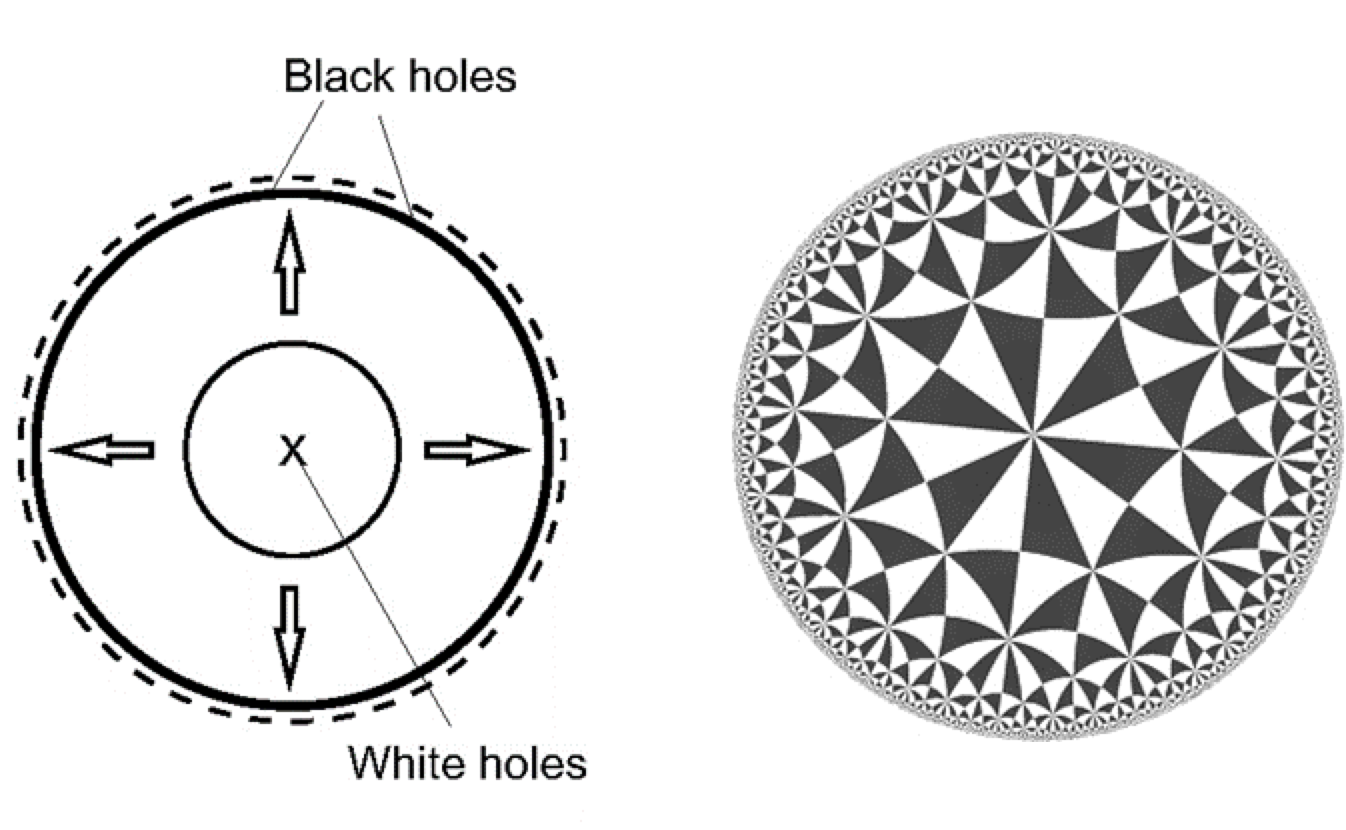
What is the structure of the universe? The universe's accelerating expansion may originate in the wave function


My latest manuscript, "Can Dimensional Anisotropy Satisfy Mach's Principle?" examines the cosmic structure. In dimensional anisotropy, the dimensions of space depend on the object's location or orientation. Mach's principle states that the universe's mass-energy distribution determines local inertia. In other words, the motion of distant stars must influence the local state or movement. General relativity fails to satisfy this requirement because mass is unaffected by the gravitational field.

Can dimensional isotropy follow Mach's Principle? Let's create a compact wave function, which is isolated by an information-blocking horizon from a spatial field; the separation of the wave function introduces an energy requirement for the corresponding interaction. The condition above stabilizes the spatial curvature and obeys conservation principles. As a result, the field curvature changes smoothly while the isolated quantum waves form a discrete energy spectrum. Thus, the expanding cosmic structure originates in the microstructure of space and gives rise to a quaternion cosmic structure.

Image: the structure of the universe

Watch the video; what is the structure of the universe? The physical foundations of reality

Read the article, Can Dimensional Anisotropy Satisfy Mach's Principle? A Topological Approach to Variable Dimensions of Space using the Borsuk-Ulam Theorem in Journal of Astrophysics and Astronomy, Vol: 10(7)

"Can Dimensional Anisotropy Satisfy Mach's Principle?" on Qeios.


The Science of Consciousness Post, your news about the mind
The Science of Consciousness, please join the discussion
Website: evadeli


Copyright © 2022 by Eva Deli

Wednesday, December 21, 2022

New Inspiration in Aging Research: Studying Naked Mole Rats May Give us Tools to Slow Aging


Naked mole rats are small, subterranean rodents native to parts of East Africa. Unlike most mammals that experience a decline in physical and cognitive function as they age, naked mole rats remain healthy and active throughout their unusually long lifespan, exceeding 30 years. Consequently, these animals have garnered significant attention in the scientific community due to their unique ability to defy aging.

One key factor contributing to the naked mole rats' longevity is their low metabolism. Naked mole rats have a slower metabolic rate than other rodents, which means they burn energy more slowly and generate less oxidative stress. Oxidative stress is a type of cellular damage that is thought to contribute to aging and age-related diseases. By causing less oxidative stress, naked mole rats may be less prone to age-related decline that are common in other mammals.

In addition to their low metabolism, naked mole rats also have an unusually high cellular repair mechanism. These mechanisms help to keep their cells functioning optimally, even as they age. Naked mole rats also can regenerate their tissues, which may help maintain their overall health and prevent age-related decline. Nevertheless, further research is needed to fully understand the mechanisms that allow these animals to age gracefully and whether their unique abilities can benefit humans.

The naked mole rats' exceptional longevity and health give us valuable insights into the aging process and help discover new ways to promote human health and longevity.

Read the whole article: Naked Mole Rats Defy Aging. One Scientist Has Dedicated Her Career to Finding Out How.

Image credit: Naked mole rat at the Atlanta Zoo.


The Science of Consciousness Post, your news about the mind
The Science of Consciousness, please join the discussion
Website: evadeli


Copyright © 2022 by Eva Deli


Friday, November 25, 2022

The biology of the alpha male: Can parasite infection explain aggression?


My 2018 post, Cognitive Manipulation by parasites, discusses the behavioral effects of parasite infection. It also speculates a possible role of Toxoplasma gondii infection in human psychology. A recent article in Nature, a premier scientific journal, provides a clear link between parasite infection to risk-taking and dominance. 

Sexual reproduction of Toxoplasma gondii occurs in a cat's body. As a result, the infected rodents lose their fear of cats, which allows the reproductory cycle to complete. However, warm-blooded mammals can catch the parasite by eating an infected animal or ingesting forms of the parasite shed in the feces of infected cats. After acute infection, semi-dormant cysts form in muscle and brain tissue and persist for the rest of the host's life. An analysis of over 200 North American wolves shows that parasite infection inspires leadership by boosting bold, uninhibited aggressive behavior. In addition, the infected animals are also more likely to leave their home packs and strike out independently.

Therefore, pathogens may have a significant role in the ecology and behavior of wild animal populations. In addition, it is estimated that up to one-third of humans might be chronically infected. Physical and behavioral changes found in people include increased testosterone and dopamine production, which leads to more significant risks taking.

Chemical signals from the fungi, such as secreted proteins, may target the host’s behavioral systems and control behavior like summiting and nest desertion. Pathogens may be taking advantage of preexisting behaviors governing molting, sleep, and molting — the process by which an insect sheds its protective exoskeleton to grow a new, bigger one. Insects have evolved behaviors for this time that can include wandering from the nest and summiting or grasping onto grass or leaves. Molting and sleep are controlled by the insect’s circadian rhythm.


The Science of Consciousness Post, your news about the mind
The Science of Consciousness, please join the discussion
Website: evadeli


Copyright © 2022 by Eva Deli


Nature Briefing

Sign up for the Nature Briefing newsletter — what matters in science, accessible to your inbox daily.